
درسنامه آموزشی زبان انگلیسی (2) کلاس یازدهم
درس 1: Underestanding People
Interesting Facts:
- There are about 7000 languages in the world.
- Most Languages of the world have no written form.
- The Holy Quran is available in more than 100 languages.
- One language dies about every fourteen days.
- Deaf people use sign language to communicate.حقایق جالب
- در جهان حدود 7000 زبان وجود دارد.
- بیشتر زبانهای دنیا شکل مکتوب ندارند.
- قرآن کریم در بیش از 100 زبان موجود است.
- هر چهارده روز یک زبان از بین می رود.
- ناشنوایان برای برقراری ارتباط از زبان اشاره استفاده میکنند.
Get Ready
A. Look at the map. Choose six countries and write their languages.
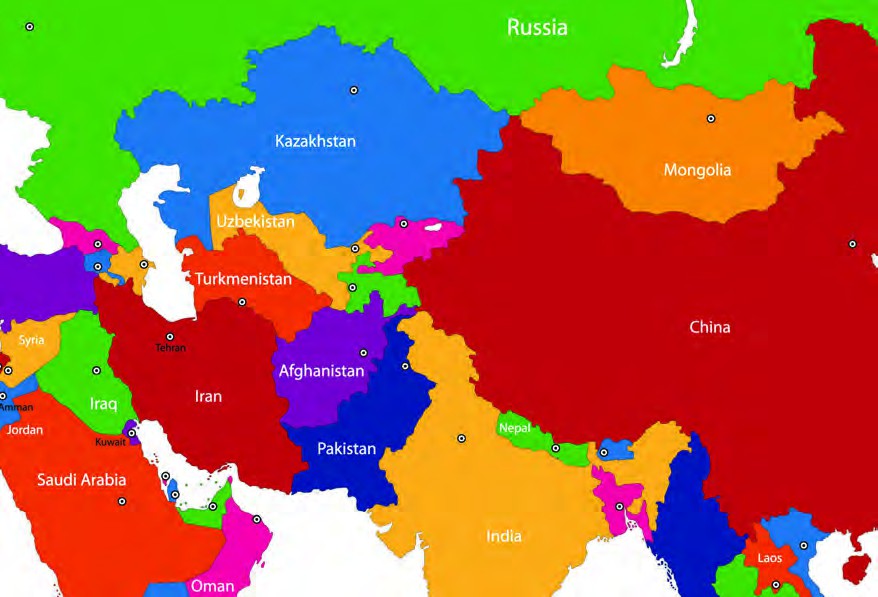
1- Russia, Russian
2- China, Chinese
3- Iraq, Arabic
4- Saudi Arabia, Arabic
5- Bangladesh, Bengali
6- India, Hindi, English
- Are you familiar with any of the above languages? If yes, circle them. Arabic & English
B. Match the signs with their meanings. There is one extra sentence
|
1- (b) Turn off your mobile phone. |
2- (a) There is a parking lot around. |
(f ) Do not swim here. |
|
4- (e) You are near a restaurant. |
5- (d) Keep off the grass. |
|





(a) There is a parking lot around.
(b) Turn off your mobile phone.
(c) Please be quiet.
(d) Keep off the grass.
(e) You are near a restaurant.
(f ) Do not swim here.
(a) یک پارکینگ در این اطراف وجود دارد.
(b) تلفن همراه خود را خاموش کنید.
(c) لطفا ساکت باشید.
(d) وارد چمن نشوید.
(e) شما در نزدیکی یک رستوران هستید.
(f) در اینجا شنا نکنید.
C. Number the following activities from 1 to 6 according to how frequently you do them when you learn a foreign language.
...... Reading storybooks
...... Watching movies
...... Listening to the news
...... Surfing the net
...... Talking to foreigners
...... Writing letters or emails
خواندن کتاب داستان
فیلم دیدن
گوش دادن به اخبار
وبگردی
صحبت کردن با خارجی ها
نوشتن نامه یا ایمیل
Activity C is a task. It requires students to think; and then number the activities from 1 to 6 according to how frequently they do the activities when they learn a foreign language. This activity makes students aware of four macro language skills (listening, speaking, reading and writing); and their role in learning a foreign language.
Conversation
Babak Saberian is a translator who works for IRIB. Today, he is hosting Meysam in his office. Meysam is a high school student. He is interviewing Mr. Saberian for his school project.
Meysam: Thank you Mr. Saberian for inviting me to your office.
Mr. Saberian: You’re welcome!
Meysam: I heard you know three languages. Is that right?
Mr. Saberian: Well, actually four languages.
Meysam: Four! Really?! What languages do you know?
Mr. Saberian: Besides my mother tongue, Persian, I know English, French and Russian well.
Meysam: Interesting! And when did you learn them?
Mr. Saberian: I began learning English at school when I was thirteen. Then I began learning French in a language institute when I was fifteen. And I learned Russian when I was a university student in Moscow.
Meysam: Can you use all of them fluently?
Mr. Saberian: I know all of them well, but I use English more.
Meysam: OK. Do you think language learning should start as early as possible?
Mr. Saberian: My experience says interest and hard work are really more important than age.
Meysam: Hmm… that’s an important point. May I know what your favorite language is? English, French, or Russian?
Mr. Saberian: To be honest, I enjoy using them all, but my favorite language is absolutely my mother tongue!
بابک صابریان مترجمی است که برای IRIB (صدا و سیما جمهوری اسلامی ایران) کار میکند. وی امروز میزبان میثم در دفتر خود است. میثم یک دانشآموز دبیرستانی است. او برای پروژه مدرسه خود در حال مصاحبه با آقای صابریان است.
میثم: با تشکر از شما آقای صابریان که مرا به دفتر خود دعوت کردهاید.
آقای صابریان: خواهش میکنم!
میثم: من شنیدهام که شما سه زبان بلد هستید. درست است؟
آقای صابریان: خب، در واقع چهار زبان.
میثم: چهار! واقعاً؟! چه زبانهایی بلد هستید؟
آقای صابریان: علاوه بر زبان مادری، فارسی، من انگلیسی، فرانسوی و روسی را به خوبی بلدم.
میثم: جالب هست! و چه زمانی آنها را یاد گرفتید؟
آقای صابریان: من یادگیری زبان انگلیسی را وقتی سیزده سال داشتم در مدرسه شروع کردم. سپس در پانزده سالگی، یادگیری زبان فرانسه را در یک موسسه زبان شروع کردم و هنگامی که دانشجوی دانشگاه مسکو بودم زبان روسی را یاد گرفتم.
میثم: آیا میتوانید از همه آنها به طور روان استفاده کنید؟
آقای صابریان: من همه آنها را به خوبی بلدم، اما من انگلیسی را بیشتر استفاده میکنم.
میثم: خب. فکر میکنید یادگیری زبان باید در اسرع وقت شروع شود؟
آقای صابریان: تجربه من میگوید علاقه و سخت کوشی واقعاً مهمتر از سن هستند.
میثم: هوم ... این یک نکته مهم است. ممکن است بدانم که زبان مورد علاقه شما چیست؟ انگلیسی، فرانسوی یا روسی؟
آقای صابریان: صادقانه، من از استفاده از همه آنها لذت میبرم، اما زبان مورد علاقه من قطعاً زبان مادری من است.
Questions
Answer the following questions orally.
1. Where does Mr. Saberian work? He work for IRIB.
2. Was Mr. Saberian living in a foreign country when he was 13? No, he was living in Iran when he was 13.
3. How many languages do you know? I know …………. language(s).
آقای صابریان کجا کار می کند؟
آیا آقای صابریان در سن 13 سالگی در یک کشور خارجی زندگی میکرد؟
چند زبان بلد هستید؟
New Words & Expressions
A. Look, Read and Practice.
|
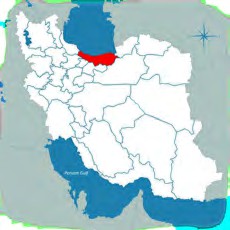
Mazandaran is one of the best farming regions of Iran. |
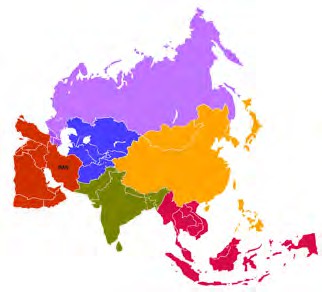
Asia is the largest continent of the world. |
|
Does water really exist on Mars? |
Spanish is Diego’s native language. |
|
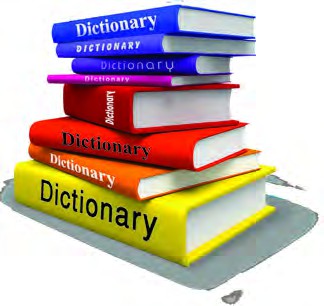
Dictionary prices range from $5 to $15 |
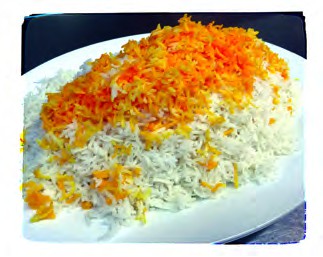
Rice is the most popular food in Iran. |
|
Today, less than 40 percent of people live in villages. |
Imagine you are traveling in space. |
|
Scientists say that by 2050, wind power can meet the needs of the world. |
We are living in the twenty-first century. |
|
Our teacher tried to explain the new word by means of sign language. |
|







B. Read and Practice.
society: a large group of people who live together, We live in an Islamic society.
جامعه: گروه بزرگی از مردم که با هم زندگی میکنند. ما در یک جامعه اسلامی زندگی میکنیم.
ability: the physical or mental power or skill to do something, Human’s ability to talk makes him different from animals.
توانایی: قدرت جسمی یا ذهنی یا مهارت انجام کاری. توانایی صحبت کردن انسان باعث می شود او از حیوانات متفاوت باشد.
vary: to be different from each other, In some cities, prices vary from shop to shop.
فرق داشتن: متفاوت بودن نسبت به یکدیگر. در برخی از شهرها، قیمتها از فروشگاه به فروشگاه متفاوت است.
make up: to form a thing, amount or number, China makes up 18% of the world‘s population.
تشکیل دادن: شکل دادن به یک چیز، مقدار یا عدد. چین 18٪ از جمعیت جهان را تشکیل میدهد.
despite: without taking any notice of, I enjoy the weekend, despite the bad weather.
علیرغم: بدون توجه به من از آخر هفته لذت میبرم، علی رغم هوای بد.
C. Go to Part II of your Workbook and do A and B.
Reading
Languages of the World
Language is a system of communication. It uses written and spoken forms. People use language to communicate with each other in a society.
They exchange knowledge, beliefs, wishes, and feelings through it. Languages vary greatly from region to region. They are so different that a person may not understand the language of someone from another region, country or continent. It is not surprising to hear that today about 7000 languages exist in the world. There are more than 2000 languages in Africa, 1000 in the Americas, more than 2250 in Asia, about 230 in Europe, and more than 1300 in Oceania.
Native speakers of these languages range in number from very large, with hundreds of millions of speakers, to very small, with fewer than 10 speakers. The most popular language in the world is Chinese. More than one billion people in the world speak Chinese.
Interestingly, English has fewer native speakers than Chinese, but there are about one billion learners of English all around the world. They learn English as an international language.
About fifty percent of the world’s languages have fewer than 5000 speakers. In the beginning of the twenty-first century, 204 languages had fewer than 10 speakers and 344 languages had between 10 and 99 speakers. The 548 languages with fewer than 99 speakers make up nearly 8 percent of the world’s languages. We call them ‘endangered languages’. As the speakers of such languages grow old and die, their languages will die, too.
All languages are really valuable, despite their differences. Every language is an amazing means of communication that meets the needs of its own speakers. It is impossible to imagine the world without language. Therefore, we should respect all languages, no matter how different they are and how many speakers they have.
زبان یک سیستم ارتباطی است. آن از فرمهای نوشتاری و گفتاری استفاده میکند. مردم برای برقراری ارتباط با یکدیگر در یک جامعه از زبان استفاده میکنند. آنها دانش، عقاید، آرزوها و احساسات را از طریق آن تبادل میکنند.
زبانها از منطقهای به منطقه دیگر بسیار متفاوت هستند. آنها به قدری متفاوت هستند که ممکن است یک فرد زبان فردی از یک منطقه، کشور یا قاره دیگر را نفهمد. شنیدن این موضوع تعجبآور نیست که امروزه حدود 7000 زبان در جهان وجود دارد. در آفریقا بیش از 2000 زبان، 1000 زبان در آمریکا، بیش از 2250 زبان در آسیا، حدود 230 زبان در اروپا و بیش از 1300 زبان در اقیانوسیه وجود دارد.
گویندههای بومی این زبانها از تعداد بسیار زیاد، با صدها میلیون گوینده، تا تعداد بسیار کم، با کمتر از 7 گوینده، در تعداد متغیر هستند. محبوبترین زبان دنیا چینی است. بیش از یک میلیارد نفر در جهان به زبان چینی صحبت میکنند.
جالب اینجاست که انگلیسی در مقایسه با چینی، گویندههای بومی کمتری دارد، اما در سراسر جهان حدود یک میلیارد زبانآموز انگلیسی وجود دارد. آنها انگلیسی را به عنوان یک زبان بین المللی یاد میگیرند.
حدود پنجاه درصد از زبانهای دنیا کمتر از 5000 گوینده دارند. در آغاز قرن بیست و یکم، 204 زبان کمتر از 10 گوینده داشتند و 344 زبان بین 10 تا 99 گوینده داشتند. 548 زبان با کمتر از 99 گوینده تقریباً 8 درصد از زبانهای جهان را تشکیل میدهند. ما آنها را "زبانهای در معرض خطر" مینامیم. زیرا گویندههای این زبانها پیر میشوند و میمیرند، و زبان آنها نیز از بین خواهد رفت.
همه زبانها علیرغم تفاوتهایشان واقعاً ارزشمند هستند. هر زبان وسیلهای شگفتانگیز برای برقراری ارتباط است که نیازهای گویندگان خود را برآورده میکند. تصور جهان بدون زبان غیرممکن است. بنابراین، ما باید به همه زبانها احترام بگذاریم، بدون توجه به اینکه چه مقدار متفاوت هستند و چه تعداد گوینده دارند.
Reading Comprehension
A. Scan the passage for the following numbers. Match them with the information. There is one extra number.
a. 548 / b. 2250 / c. 8 / d. 1300 / e. 204
1- The number of languages with speakers fewer than 10. (e) 204
2- The percent of endangered languages. (c) 8
3- The number of languages with speakers fewer than 99. (a) 548
4- The number of languages in Oceania. (d) 1300
B. Scan the passage for the proper nouns.
a) The language with more than one billion learners: Chinese
b) The continent with one thousand languages: Americas
c) The language with the largest number of native speakers: Chinese
C. Scan the passage and answer the following questions.
a) How many languages are there in the world? about 7000
b) What is the number of endangered languages? 548
c) Which continent has the largest number of languages in the world? Asia
D. Read the sentences; put T for true and F for false. If a sentence is false, correct it.
a) Through languages, people can exchange only knowledge. F
b) When a language has no speaker, it dies out. T
c) Only a few languages can meet the needs of their own speakers. F
Vocabulary Development
A. Write the words that mean the same under the picture where they belong.
small / powerful / quick / strong / fast / tiny / simple / easy
|
|
|
|
|
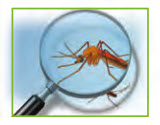
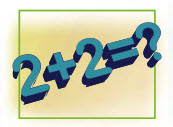
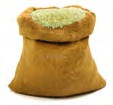
| small/tiny | strong/powerful | easy/simple | quick/fast |


B. Two of the words in each group are synonyms. Find them.
a) amazing/ probable/ wonderful
b) seek/ search for/ exercise
c) quit/ live/ give up
d) fortunately/ luckily/ really
C. Look back at the Reading to find synonyms for the words.
a) In paragraph 2, find a synonym for ‘largely’: greatly
b) In paragraph 4, find a synonym for ‘nearly’: about
c) In paragraph 5, find a synonym for ‘to form’: make up
d) In paragraph 6, find a synonym for ‘to think of’: imagine
Grammar
A. Read the following texts.
B. Read the following examples. Compare the columns
| Singular countable | Plural countable | Uncountable |
|---|---|---|
| a car | two/ three/ four cars | ـ traffic |
| Singular countable | Plural countable | Uncountable |
|---|---|---|
| a book | some / many books | some / much information |
| a bird | lots of / a lot of birds | lots of / a lot of chicken soup |
| a man | few / a few men | little / a little bread |
| Questions | Answers | ||
|---|---|---|---|
| How many cars are there in the street? | There are | two three four some many lots of a lot of a few few |
cars. |
| How many books do you need? | I need | books. | |
| How much information does your teacher need? | She needs | some much lots of a lot of a little little |
information. |
| How much bread is there in the kitchen? | There is | bread. | |







C. Tell your teacher how different ‘countable’ and ‘uncountable nouns’ are
encourages students to induce the ‘differences between countable and uncountable nouns’. The teacher can write more examples on the board; or read a text orally and ask students to notice the way ‘countable and uncountable nouns’ are used with articles, numbers, and measure words.
D. Underline all ‘countable and uncountable nouns’ in Reading.
Countable nouns: a system, a society, beliefs, wishes, feelings, region, a person, country, continent, languages, speakers, learners, differences
Uncountable nouns: knowledge
E. Choose appropriate words to complete the following sentences.
1- The students need to read (many/much) books about history.
2- Please buy (a loaf of/a bottle of) bread for breakfast.
3- Children should drink (a lot of/a few) milk.
4- We did not have (much/many) visitors this week.
5- Could you please bring me (a glass of/a piece of) water?
F. Pair up and ask and answer the following questions
1- How many books did you read in summer?
2- How much milk do you drink each day?
3- How much money do you save each month?
4- How many pencils do you have in your bag?
G. Go to Part III of your Workbook and do A and B.
See Also (Numbers)
A. Read the examples and see how numbers are used before nouns
| Numbers | Nouns |
|---|---|
| a/one | car |
| an/one | apple |
| two, three, four, five, six, seven, eight, nine, ten | tables |
| eleven, twelve, thirteen, fourteen, fifteen, sixteen, seventeen, eighteen, nineteen | chairs |
| twenty, twenty-one, twenty-two, …….., twenty-nine | students |
| thirty, thirty-one, thirty-two, …….., thirty-nine | trees |
| forty, forty-one, forty-two, ……….., forty-nine | horses |
| fifty, fifty-one, fifty-two, …………., fifty-nine | books |
| sixty, sixty-one, sixty-two, ………., sixty-nine | boxes |
| seventy, seventy-one, seventy-two, …………., seventy-nine | children |
| eighty, eighty-one, eighty-two, ………, eighty-nine | bags |
| ninety, ninety-one, ninety-two, …….., ninety-nine | men |
| one hundred, two hundred, three hundred, … | languages |
| one thousand, two thousand, three thousand, four thousand ,.... | birds |
| one million, two million, three million, … | cells |
| one billion, two billion, three billion, ….. | dollars |
B. Read the examples and see how numbers are used before adjectives + nouns.
| Numbers | Adjectives | Nouns |
|---|---|---|
| a /one | small | car |
| a /one | red | apple |
| an /one | interesting | movie |
| two, ………., ninety-nine | beautiful | trees |
| two hundred, ……., ten billion | Canadian | dollars |
Listening & Speaking
A. You may use ‘how much’ to ask about prices. You may use ‘how many’ to ask about numbers.
- May I help you?
- Yes, please. I’m looking for some birthday candles.
- How many candles do you need?
- I need 12 birthday candles.
- You can find different types of candles over there.
- Um… How much are those?
- 20 000 Tomans.
- What about these?
- 10 000 Tomans.
- I think I’ll take these. Here you are.
- Thank you.
- آیا ممکن است به شما کمک کنم؟
- بله لطفا. من به دنبال تعدادی شمع تولد هستم.
- به چه تعداد شمع نیاز دارید؟
- من به 12 شمع تولد نیاز دارم.
- شما میتوانید انواع مختلف شمع را در آنجا پیدا کنید.
- ام ... آنها چند هستند؟
- 20000 هزار تومان
- اینها چطور؟
- 10000 هزار تومان
- من فکر میکنم اینها را خواهم گرفت. بفرمایید
- ممنون
B. Listen to the following conversations and answer the questions
Conversation 1
1. The boy wants An English-to-Persian dictionary.
2. How many words does the first dictionary have? It has more than 15000 words.
Conversation 2
1. How much is a ticket? It is 4 dollars.
2. How many tickets does she want? Fifteen tickets.
Pronunciation
A. ‘Ten numbers’ (ten, twenty, thirty, ...) have strong stress on their first part. Listen and repeat.
twenty
thirty
forty
fifty
sixty
seventy
eighty
ninety
B. ‘teen numbers’ have strong stress on ‘teen’
- She is almost thirteen.
- Did you say eighty or eighteen?
Writing
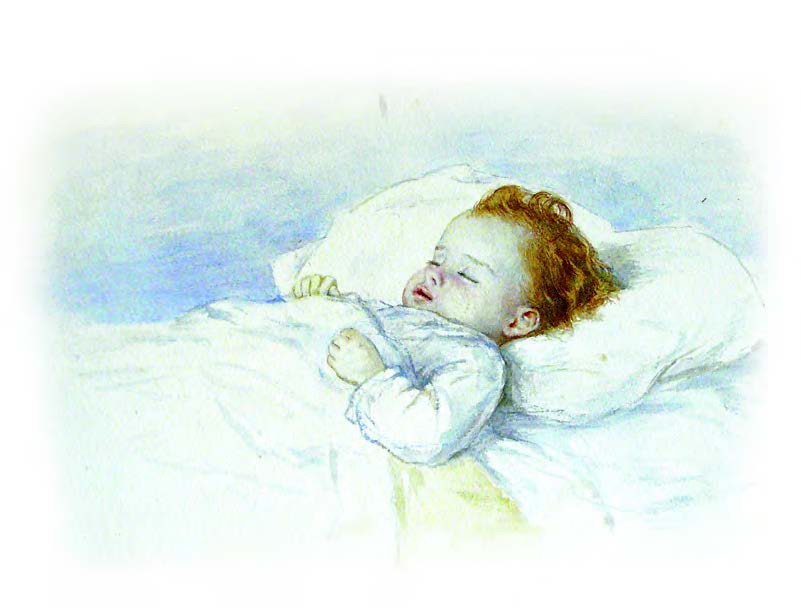
Mahan is sleeping.
The bird does not sing.

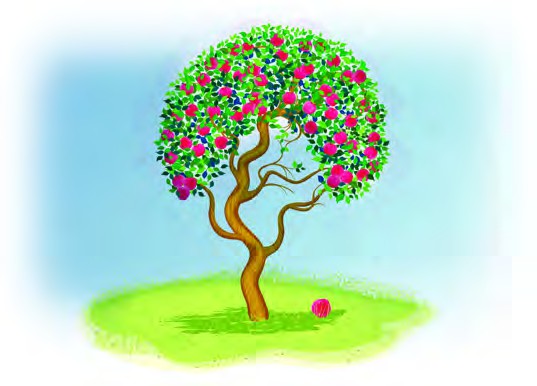
The apple fell down.
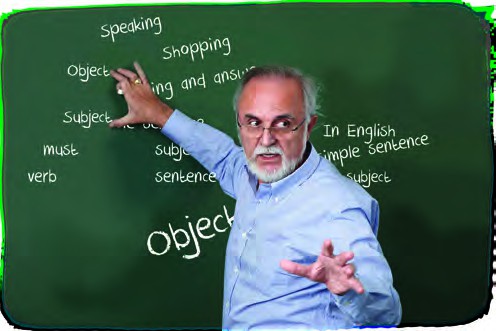
The teacher is hard-working.
1) To find a subject, ask who or what the sentence is about. Your answer is the subject.
- Who is the first sentence about? Mahan
- What is the second sentence about? The bird
- What is the third sentence about? The apple
- Who is the fourth sentence about? The teacher
2) To find a verb, ask what the sentence says about the subject.
- What does the first sentence say about Mahan? Mahan is sleeping.
- What does the second sentence say about the bird? The bird does not sing.
- What does the third sentence say about the apple? The apple fell down.
- What does the fourth sentence say about the teacher? The teacher is hard-working.
A. Read each group of words. Do these words make a sentence? If yes, write them again with a capital letter and a period.
- studying in the library
- she laughed
- suitable for both boys and girls
- the lion died
- the tree will fall down
- the baby with her small hands
- it is very good for children
- a beautiful lake in the forest
B. Write an appropriate word in the following blanks. The answer will be the subject of the sentence.
- Mr Razavi / Ms Taheri is one of my best teachers.
- A Horse / Rabbit runs faster than a mouse.
- Every night, I / my brother exercise for 30 minutes.
- Many birds / animals live in this forest.
the answers may be different, but they are nouns or pronouns.
C. Write an appropriate word in the following blanks. Each answer will be the verb of the sentence.
- The child laughs / cried / is shouting loudly.
- Shayan is / was / isn’t always kind to his sister.
- We played / will study / have walked for hours.
- The museum opens / opened at 8 a.m.
the answers may be different, they may be positive or negative, or they may be past, present or future.
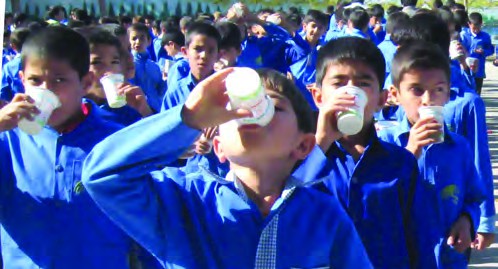

D. Read the following sentences. Circle the objects.
1- The boy runs fast.
2- Mina speaks English.
3- We must respect our neighbors.
4- Shadi is working at home.
5- Ali is a smart student.
E. Write an appropriate word in the following blanks. Each answer will be an object.
1- They will meet each other / their grandfathe.
2- Ali and I bought a book / two bikes / ....
3- We are going to learn English / driving /...
4- Children should not eat fast food / much sugar / ...
F. Rearrange the words to create correct sentences.
1- borrowed / I / that book
I borrowed that book.
2- is going / she / the TV / to turn on
She is going to turn on the TV.
3- can / learn / we / a new language
We can learn a new language.
4- sang / a song / my grandfather
My grandfather sang a song.
G. Read the following sentences. Find the subject (S), verb (V), object (O) and additional information (AI).
Example: She studies English at school every week.
She: S / studies: V / English: O / at school: AI (Place) / every week: AI (Time)
1- On weekends, I read storybooks.
On weekends (AI (time)), I (S) read (v) storybooks (O).
2- I usually get good grades.
I (S) usually (AI (manner)) get (V) good grades (O).
3- Last night, my mother made cookies.
Last night (AI (time), my mother (S) made (V) cookies (O).
4- My friends take photographs of animals.
My friends (S) take photograph of (V) animals (O).
5- I have a math class on Wednesdays.
I (S) have (V) a math class (O) on Wednesdays (AI (time))
H. Using past, present and future tenses, write five simple sentences about yourself.
1-
2-
3-
4-
5-
What You Learned
A. Listen to the first part of a story.
1. Fill in the blanks based on what you’ve just heard.
- I went to a store
- I needed some cheese, some milk, some rice, and some sugar.
2. Listen again and list all uncountable nouns.
milk, rice, sugar, fruit
B. Now read the second part of the report.
The only thing I was still looking for was a bag of sugar. There were four types of sugar. I picked the bags and read the explanations. Honestly, I didn’t understand their differences. A young man came to me and asked what I wanted. I told him I needed some sugar for breakfast. He gave me some information. Again, I didn’t understand the differences. I took pictures of the explanations, sat somewhere, and checked the explanations in my mobile dictionary. At last, I understood what type of sugar I needed to buy!
3. Scan the text for the nouns.
sugar, bags, explanations, differences, man, breakfast, information, pictures, dictionary.
C. Work in pairs. Ask and answer.
- How many bags of sugar did the man want? A bag of sugar.
- Did the man buy any tea? No
- How did he understand the explanations? He checked the information in his mobile dictionary.